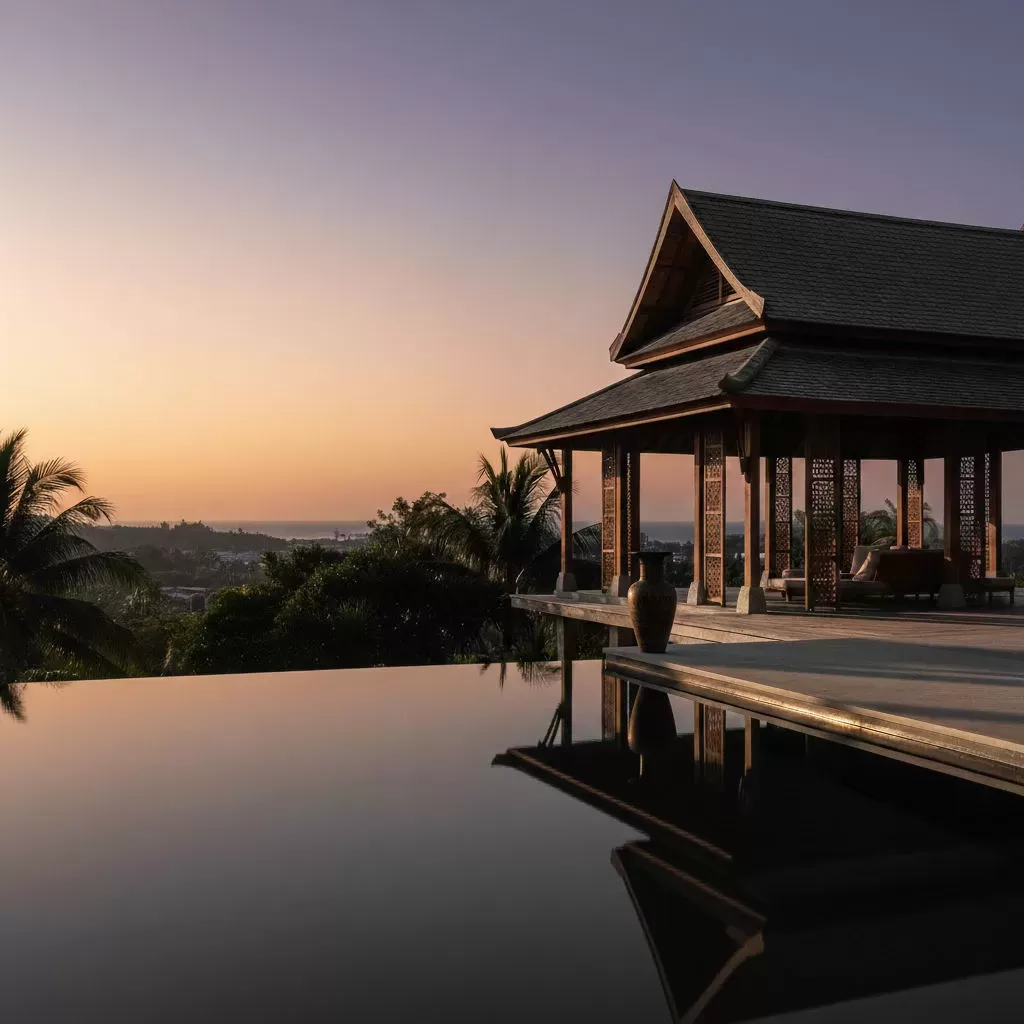
When building an independent luxury resort or boutique villa, you do not leave details to chance. You work with premier architects, source local materials, and design unique guest experiences to create a real sense of place.
Yet, when it comes to your website, it is easy to compromise by using a generic, pre-made template.
On the surface, templates seem efficient. They are fast to set up and cheap to buy. However, for high-end hospitality brands, these pre-made themes create immediate problems. By forcing a unique, luxury property into a rigid layout built for the mass market, your website makes your resort look generic. This drives travelers away from your site and right back to online travel agencies (OTAs) like Booking.com.
Here is how generic templates hurt your digital guest experience and cause you to lose booking revenue.
The performance tax of bloated code
Templates are built to serve every type of business. To appeal to everyone, the developers pack them with heavy configuration panels, massive icon libraries, and unnecessary software pieces.
- The friction: Your resort website does not need three different image sliders or hundreds of lines of code designed for an online retail store. This extra weight slows down your page loading speed.
- The bottleneck: Luxury travelers often look for properties on their phones while traveling through areas with slow mobile networks. If your website takes too long to load, users will get frustrated and leave. A slow website makes a luxury brand look unpolished.
Standard layouts destroy your luxury image
Luxury hospitality relies on standing out and creating an emotional connection. Templates do the exact opposite: they force your unique property into a standard grid that looks like everyone else's.
When your boutique resort uses the same basic layout, menu structure, and fonts as a standard city business hotel, your identity is lost. If your website feels interchangeable, your property feels interchangeable. When travelers see a basic website, they lose interest and choose to book through an OTA where they can at least earn marketplace reward points.
The broken mobile booking experience
The biggest failure of pre-made templates happens when a guest tries to move from your website into your booking engine.
Templates are rarely built to handle custom booking setups. They treat the "Book Now" button like a regular external link. When a guest clicks it, they are suddenly sent to a completely different page that looks completely different from your website. This sudden shift in design, fonts, and colors destroys the guest's trust. A premium reservation process should feel smooth, safe, and completely native from the first click to the final confirmation.
Custom engineering over generic frameworks
Your website should be an extension of your physical resort’s craftsmanship. Switching to a custom-built website removes the limits of cheap templates:
- Zero clutter: Every line of code is written specifically for your resort, ensuring your website loads instantly on mobile devices.
- Tailored design: Your layout matches your story and your professional photography perfectly, instead of fighting against a rigid template grid.
- Built-in booking: The checkout system fits seamlessly into your website design, keeping the guest in your owned environment without weird visual shifts.
Independent luxury operators need to stop viewing their website as a simple online brochure. It is the core engine of your business. Replacing generic templates with high-performance, custom web development is the most effective way to stop relying on OTAs and protect your profit margins.